How to Tell If Your Child's Toothache Is an Emergency
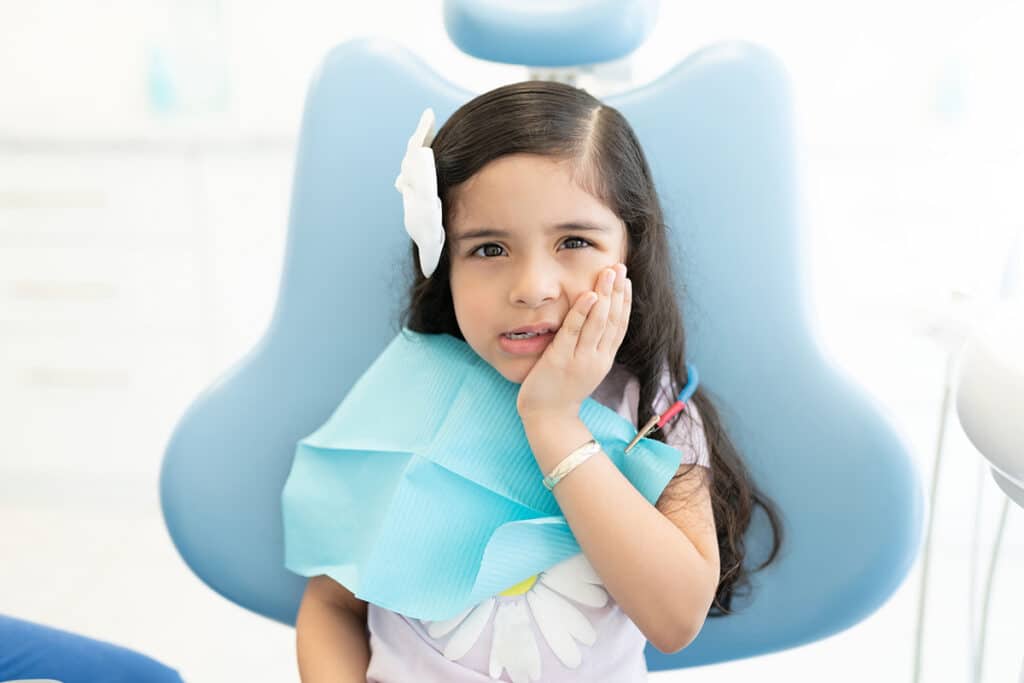
A toothache can turn a normal day upside down, and it's natural to wonder whether you should wait it out or call for help right away. We understand how unsettling it feels to see your child in pain and not know what's causing it. The good news is that most toothaches follow patterns, and once you know what to look for, you can make a confident decision quickly. Some aches are mild and can wait for a regular visit, while others need prompt attention to protect your child's smile and comfort.
In the guide below, we'll walk you and your child through the signs that separate a minor toothache from a true dental emergency. We'll also share simple steps you can take at home and explain when it's time to pick up the phone. Our goal is to give you the information you need at your fingertips so you feel prepared, not panicked.
Warning Signs That Point to an Emergency
Not every toothache is urgent, but a few symptoms tell us something more serious is happening beneath the surface. Pain is your child's body signaling that something needs attention, and certain signals should never be ignored. When you spot any of the following, it's time to reach out to us right away.
Watch closely for these red flags:
- Severe or throbbing pain: Intense pain that keeps your child from sleeping, eating, or focusing usually means an infection or deep decay that needs prompt care.
- Facial or gum swelling: Puffiness in the cheek, jaw, or gums can point to an abscess, which is an infection that should be treated quickly to keep it from spreading.
- Fever with tooth pain: A temperature paired with a toothache often signals infection, and the two together deserve immediate attention.
- A pimple-like bump on the gums: This small bump may drain fluid and often means an abscess is present, even if the pain comes and goes.
- Pain after a fall or blow to the mouth: Trauma can crack, loosen, or knock out a tooth, and quick treatment gives us the best chance to save it.
If your child shows any of these signs, please call us without delay. Fast action often makes the difference between a simple fix and a bigger problem down the road.
When a Toothache Can Wait
Many toothaches are uncomfortable but not emergencies, and knowing the difference can spare you an anxious middle-of-the-night decision. Mild aches often come from small causes that we can address at a regular appointment. Recognizing these situations helps you respond calmly while still caring for your child.
A toothache may be able to wait a day or two when the pain is mild and fades on its own, when there's no swelling or fever, or when the discomfort follows something simple like food stuck between two teeth. Sensitivity to hot or cold that passes quickly usually falls into this category as well. Even so, a lingering ache still deserves a call to our office, because a small problem caught early is almost always easier and gentler to treat. We'd rather check a minor concern now than see it grow into something that shapes how your child feels about dental visits for years to come.
Simple Steps to Ease Pain at Home
While you decide whether a visit is needed, a few gentle measures can bring your child relief. These steps won't replace professional care, but they can make the wait far more comfortable for both of you. Comfort now helps your child stay calm and trusting when it's time to see us.
Here's what we recommend trying at home:
- Rinse with warm salt water: A gentle rinse loosens trapped food and soothes irritated gums, offering quick, drug-free relief.
- Use a cold compress: Holding a cold cloth against the cheek for a few minutes reduces swelling and dulls the ache.
- Offer age-appropriate pain relief: Children's acetaminophen or ibuprofen, given according to the label and your pediatrician's guidance, can ease discomfort.
- Check gently for anything stuck: Carefully flossing around the sore tooth can remove debris that may be causing the pressure.
- Avoid very hot, cold, or sugary foods: Skipping these prevents extra sensitivity and keeps the pain from flaring.
Never place aspirin directly on the gums or tooth, as this can burn the delicate tissue. If the pain continues or worsens despite these steps, that's your cue to reach out to us for emergency pediatric dentistry and prompt, caring treatment.
Trusting Your Instincts and Reaching Out
You know your child better than anyone, and that instinct is one of the most reliable tools you have. When something feels wrong, it usually is, and we'd always rather hear from you than have you worry alone. A quick phone call can bring clarity and peace of mind, whether the answer is a same-day visit or simple reassurance that the ache can wait. Our team provides prompt care during office hours and after-hours phone support when our office is closed, so you're never left guessing. By acting on your instincts now, you protect not only your child's tooth today but also the healthy, confident smile we want to help them carry into adulthood. When in doubt, reach out—we're here to help you and your child feel at ease.
Frequently Asked Questions About Emergency Pediatric Dentistry
What counts as a pediatric dental emergency?
A dental emergency is any situation that causes severe pain, involves bleeding or swelling, or threatens a tooth. Common examples include a knocked-out tooth, a cracked or broken tooth, a dental abscess, and uncontrolled pain. When these happen, prompt care helps us protect your child's comfort and their tooth.
What should I do if my child knocks out a permanent tooth?
Act quickly, because time matters most with a knocked-out permanent tooth. Pick the tooth up by the crown, avoid touching the root, and gently rinse it if it's dirty. If possible, place it back in the socket or keep it in milk, then call us right away so we can try to save it.
Is a baby tooth emergency treated differently than a permanent tooth?
Yes, we approach baby teeth and permanent teeth a little differently. We usually don't try to reimplant a knocked-out baby tooth, since doing so can harm the developing permanent tooth beneath it. Even so, please call us after any injury so we can check for damage and keep your child comfortable.
How do I know if my child has a dental abscess?
An abscess often shows up as swelling, a pimple-like bump on the gums, ongoing pain, or a fever. Because an abscess is an infection that can spread, it always deserves prompt attention. If you notice these signs, contact us so we can treat the infection and relieve your child's discomfort.
What if my child's toothache happens after hours?
We offer after-hours phone support so you're never left facing a dental emergency alone. Call our office and follow the instructions for reaching us when we're closed. We'll help you decide whether your child needs to be seen right away or can safely wait until we open.
At Briarcliff Children's Dentistry & Orthodontics in Briarcliff Manor, NY, we bring pediatric dentistry and orthodontics together under one roof to serve families across Westchester County. Led by Dr. Ann Guerra and Dr. Priyanka Patel, our caring team supports you and your child from the very first tooth through a confident adult smile. When your child needs prompt, compassionate care, schedule an appointment with us today.