Are Electric Toothbrushes Better for Kids? What Dentists in Briarcliff Manor Recommend
Choosing the right toothbrush for your child can feel surprisingly complicated. Walk down any store aisle, and you will see rows of electric brushes with flashing lights, timers, and cartoon characters sitting right beside the classic manual options. As parents, you want the choice that protects your child's smile without turning brushing into a nightly battle. We understand that concern, and we are here to walk you through it.
The short answer is that both electric and manual toothbrushes can keep your child's teeth healthy when they are used correctly. That said, electric toothbrushes offer some real advantages for young brushers, especially those who struggle with technique or motivation. Below, we explain how these brushes work, when children can start using them, and how to pick the right one so that both you and your child feel confident about your daily routine.
How Electric Toothbrushes Work and Why They Help Kids
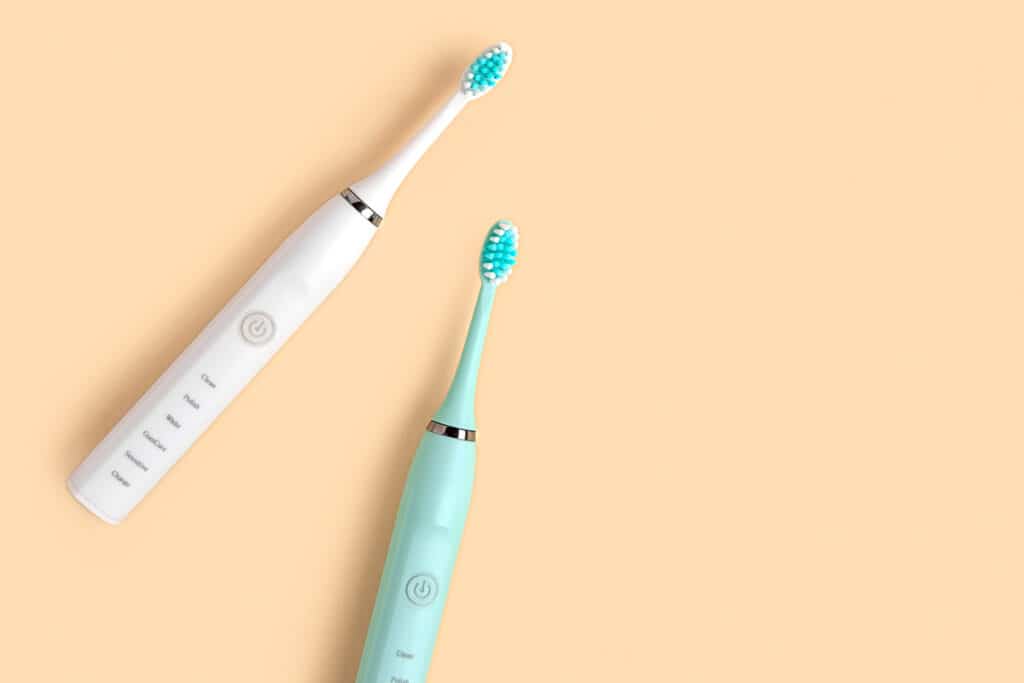
Electric toothbrushes use a small motor to move the bristles for your child, either through rapid vibrations or a spinning oscillating head. Because the brush does much of the work, children who are still developing their hand coordination can remove more plaque with less effort. This matters because young kids often brush too quickly or miss the same spots night after night, which allows plaque to build up and cavities to form.
Many electric models also include built-in timers that encourage your child to brush for a full two minutes, the amount of time we recommend twice daily. The gentle vibrations and fun designs can turn a tedious chore into something children actually look forward to, so that brushing becomes a habit rather than a struggle. For kids with braces or those who tend to rush, an electric brush can make a noticeable difference in keeping teeth and gums clean.
What Age Can Kids Start Using an Electric Toothbrush?
Parents often ask us whether electric toothbrushes are safe for little ones, and the good news is that most children can begin using them around age three. At this stage, look for a brush designed specifically for toddlers, with soft bristles and a small head that fits comfortably in a young mouth. Younger children will still need your help, so we encourage you to guide the brush and supervise until your child has the coordination to brush thoroughly on their own, usually around age six or seven.
For infants and babies with their very first teeth, a soft manual brush or a damp cloth remains the gentlest choice. As your child grows, you can introduce an electric model when they show interest and can hold the brush steadily. Every child develops at their own pace, so we are always happy to offer a personalized recommendation during your visit that fits your child's age and comfort level.
Tips for Choosing the Right Electric Toothbrush for Your Child
Picking the right brush does not have to be overwhelming. A few simple features make the biggest difference for children, so we suggest keeping the following in mind as you shop:
- Soft bristles – Choose a brush labeled soft or extra-soft, which cleans effectively while protecting delicate gums and enamel.
- Age-appropriate size – Look for a small brush head and a handle sized for little hands, ensuring your child can maneuver it comfortably.
- Built-in timer – A two-minute timer helps your child brush long enough without you having to count every second.
- Fun designs – Characters, colors, or companion apps can motivate reluctant brushers to stick with the routine.
- Rechargeable or replaceable heads – Plan to replace the brush head every three months, or sooner if the bristles fray.
Once you have a brush your child enjoys, pair it with a pea-sized amount of fluoride toothpaste and supervise until good habits take hold. If you are unsure which option suits your child's needs, a pediatric dentist in Briarcliff Manor can review your child's brushing technique and suggest the best fit during a routine checkup.
Building Healthy Habits That Last a Lifetime
Whether you choose an electric or manual toothbrush, the most important factor is consistent, thorough brushing paired with regular dental visits. An electric brush can be a helpful tool, especially for children who need a little extra encouragement, but it works best alongside good technique and daily flossing. We work with you and your child to build these habits early, so that small changes today lead to healthier smiles well into adulthood. If you have questions about your child's brushing routine or want a recommendation tailored to their needs, we would love to help you find the right approach.
Frequently Asked Questions About Preventive Dentistry
How often should my child visit the dentist?
We recommend that children visit the dentist every six months for a routine exam and cleaning. These regular visits allow us to catch small concerns early, provide preventive treatments, and keep your child's smile healthy between appointments.
Are electric toothbrushes safe for children's gums?
Yes. When you choose a brush with soft bristles and use gentle pressure, an electric toothbrush is safe and effective for children. The brush should glide along the teeth and gumline rather than being pressed hard, which protects delicate gum tissue while removing plaque.
Does my child still need to floss if they use an electric toothbrush?
Flossing remains essential even with an electric brush. Toothbrushes clean the surfaces of teeth, but only flossing reaches the tight spaces between them, so we encourage daily flossing as soon as two of your child's teeth touch.
What preventive treatments help protect my child's teeth?
Along with regular cleanings, we provide fluoride treatments and dental sealants that add an extra layer of protection against cavities. We also use digital X-rays to detect hidden problems early, which helps us treat concerns before they become more complex.
How much toothpaste should my child use?
For children under three, use a smear of fluoride toothpaste about the size of a grain of rice. For children ages three to six, a pea-sized amount is plenty, and we recommend supervising to make sure your child spits rather than swallows.
At Briarcliff Children's Dentistry & Orthodontics, we combine pediatric dentistry and orthodontics under one roof to care for infants, children, and teens throughout Briarcliff Manor, Pleasantville, Ossining, and the surrounding Westchester County communities. From your child's first tooth through adolescence, we are here to support healthy, confident smiles. We invite you to schedule an appointment and discover compassionate care designed just for kids.