Should You Brush Baby Teeth? A Guide For New Parents
Bringing a new baby home is an exciting time filled with firsts. From the first smile to the first step, every milestone feels like a major achievement. One of the milestones that often brings up a lot of questions for new parents is the arrival of that first tooth. It’s tiny, it’s adorable, and it signals that your little one is growing up. But along with the excitement comes a very common question: Do I really need to brush these temporary teeth?
The short answer is yes. It might seem intuitive to think that because baby teeth eventually fall out, they don't require the same level of care as permanent adult teeth. However, starting dental hygiene early is crucial for your child's long-term oral health.
In this guide, we will walk you through why baby teeth matter, when to start brushing, and how to make the process easier for both you and your little one. Our goal is to help you feel confident and prepared as you navigate this new chapter of parenthood.
Why Baby Teeth Are More Important Than You Think
It is a common misconception that baby teeth (also known as primary teeth) are just placeholders. While it is true that they hold space for adult teeth, their role goes far beyond that. Baby teeth are essential for your child's development in several key ways.
First, they help your child learn to speak clearly. Teeth play a major role in forming sounds, and early tooth loss or decay can impact speech development. Second, healthy teeth are necessary for proper chewing and eating. When children have cavities or tooth pain, they may avoid certain foods, which can affect their nutrition.
Perhaps most importantly, baby teeth guide the permanent teeth into the correct position. If a baby tooth is lost too early due to decay, the surrounding teeth may drift into the empty space. This can cause the adult tooth to come in crooked or crowded, potentially leading to a need for extensive orthodontic treatment later in life.
Taking care of these tiny teeth isn't just about avoiding cavities right now; it's about setting the foundation for a healthy smile that lasts a lifetime. By keeping baby teeth healthy, you are protecting the path for the adult teeth waiting beneath the gums.
When and How to Start Brushing
Many parents are surprised to learn that oral care should begin even before the first tooth appears. We recommend wiping your baby's gums with a clean, damp washcloth or a soft silicone finger brush after feedings. This helps remove bacteria and gets your baby used to having their mouth cleaned, which makes the transition to a toothbrush much easier.
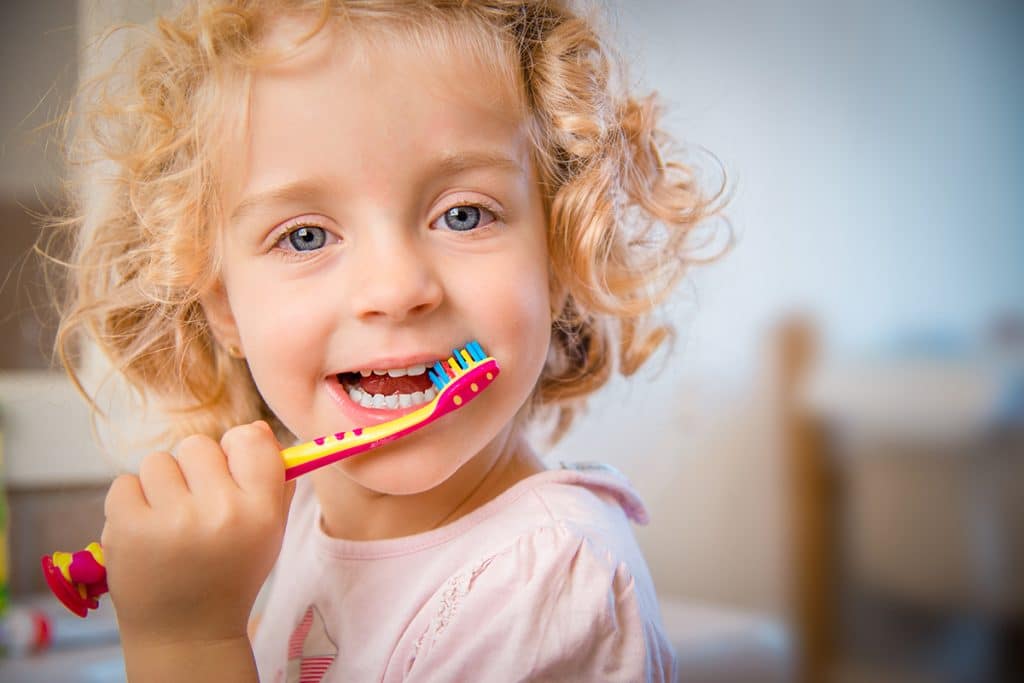
Once that first tooth pops through the gum line—usually around six months of age—it is time to switch to a toothbrush. Here is a simple routine to follow:
- Choose the Right Tools: Use a soft-bristled toothbrush designed specifically for infants. The head should be small enough to fit comfortably in your baby's mouth.
- Use the Right Amount of Toothpaste: For children under three years old, use a smear of fluoride toothpaste about the size of a grain of rice. Once your child turns three and can spit effectively, you can increase this to a pea-sized amount.
- Brush Twice a Day: Ideally, you should brush your child's teeth in the morning and right before bed. The nighttime brushing is especially important to remove food particles and sugars that can cause decay while your child sleeps.
- Be Gentle: Use small, circular motions to clean all surfaces of the teeth and the gum line. Be gentle to avoid irritating the gums, which might be tender if your baby is teething.
Remember, you will need to do the brushing for your child until they have the manual dexterity to do it effectively themselves, which usually happens around age six or seven. Even then, supervision is helpful to ensure they are doing a thorough job.
Overcoming Common Brushing Challenges
Let’s be honest—brushing a baby or toddler’s teeth isn’t always the easiest task. Wiggles, tears, and clamped-shut mouths are normal parts of the process for many families. If you are struggling to get the job done, know that you are not alone, and there are ways to make it better.
Making it fun is often the best strategy. Try turning brushing time into a game or a song. There are many apps and videos available that play catchy tunes for two minutes, helping your child understand how long they need to brush. You can also let your child "brush" your teeth or a stuffed animal’s teeth to make them feel more involved and in control.
Comfort is also key. If standing at the sink is difficult, try brushing your child’s teeth while they are lying down on the changing table or sitting in your lap (facing away from you). This position often gives you a better view of their mouth and allows you to support their head more easily.
If your child is resistant, try to stay calm and positive. If brushing becomes a battle, take a break and try again later. Consistency is important, but so is creating a positive association with dental care. Sometimes, letting them pick out their own toothbrush with a favorite character can make a world of difference in their enthusiasm.
We know it can be challenging, but sticking with a routine builds habits that will protect their smile for decades. If you ever feel overwhelmed or unsure about your technique, asking a children's dentist in Briarcliff Manor for a demonstration can be incredibly helpful.
Conclusion
Caring for your baby's teeth is one of the many loving things you do to ensure they grow up healthy and strong. While those first teeth are temporary, the habits you establish now are permanent. By starting early, brushing consistently, and making oral hygiene a positive part of your daily routine, you are giving your child the gift of a healthy smile.
We hope this guide has answered your questions and provided reassurance that you are on the right track. Remember, every parent faces challenges with brushing at some point, but with patience and persistence, you will find a routine that works for your family. We are here to support you every step of the way, from that very first tooth to the day the braces come off.
Frequently Asked Questions About Early Dental Care
When should I take my child to the dentist for the first time?
The American Academy of Pediatric Dentistry recommends that a child see a dentist by their first birthday or within six months of the eruption of their first tooth. This early visit allows us to check for any potential issues, discuss proper hygiene, and help your child feel comfortable in the dental office environment. It’s a "happy visit" designed to be stress-free and informative for parents.
What is "Baby Bottle Tooth Decay" and how can I prevent it?
Baby Bottle Tooth Decay occurs when sweetened liquids or those with natural sugars (like milk, formula, or fruit juice) cling to an infant's teeth for a long time. Bacteria in the mouth thrive on this sugar and produce acids that attack the teeth. To prevent this, avoid putting your baby to bed with a bottle. If they need a bottle to sleep, fill it with water only. Also, try to wipe your baby’s gums or brush their teeth after the last feeding of the night.
This article was brought to you by the team at Briarcliff Children’s Dentistry & Orthodontics. We are dedicated to providing warm, comprehensive care for your little ones in a comfortable environment. If you have questions or are ready for your child’s first visit, please contact us to schedule an appointment.